
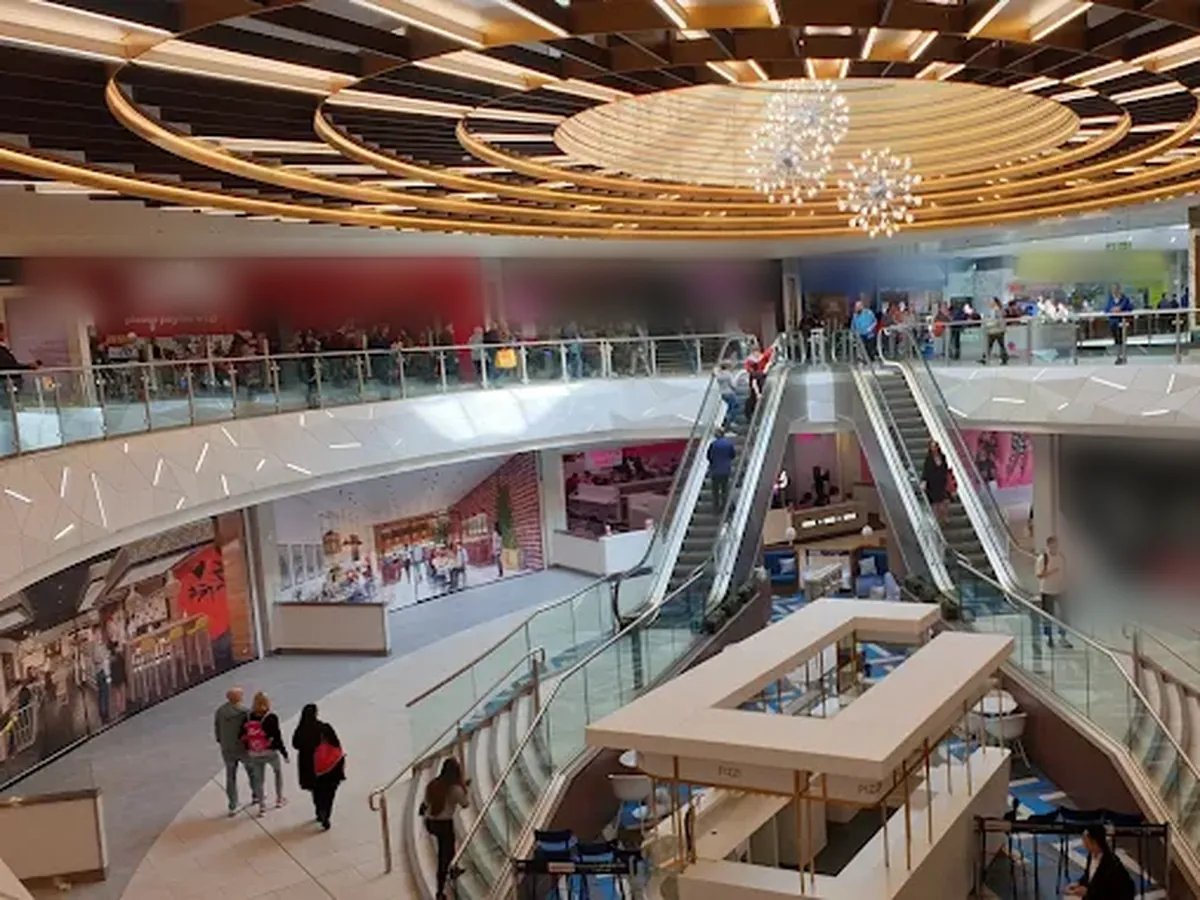
Emergency Lighting Installation in Manchester
Emergency lighting installation fits lights that switch on automatically if the power fails, so people can leave a building safely. We install emergency lighting for businesses and shared buildings across Manchester.
- NICEIC registered electrician
- 18 years in business
- Free, no-obligation quotes
- 24/7 emergency call-outs
Emergency lighting installation in Manchester
- 01
Who needs emergency lighting
Most commercial premises, workplaces, HMOs and the shared areas of blocks of flats need emergency lighting under fire safety law. The responsible person for the building must make sure escape routes stay lit in a power cut, based on the fire risk assessment.
- 02
Where the lights go
Emergency lights are placed along escape routes, at exit doors, on stairs, near fire alarm call points and firefighting equipment, and at changes of direction or floor level. Larger open spaces may also need lighting to help people find their way out calmly.
- 03
Maintained or non-maintained
Non-maintained fittings only light up when the mains fails, while maintained fittings stay on all the time and keep working in a power cut. Exit signs in places like bars or theatres are often maintained. Most fittings run for three hours on battery.
What to expect from an emergency lighting installation
We start with a survey of the building and your fire risk assessment, marking escape routes, exits and other points that need lighting. We design the layout to BS 5266 and give you a free, no-obligation quote with the number and type of fittings.
We install the fittings and wiring, connecting them so they monitor the local lighting circuit. Once fitted, we carry out a full duration test, record the results and hand over the certificate and a logbook for your monthly and annual checks.
What's included
- A survey of escape routes
- A layout designed to BS 5266
- Maintained or non-maintained fittings
- Illuminated exit signs
- A full duration test
- Certificate and logbook
How it works
Get in touch
Call or send us a message about the job. We'll get back to you the same day to arrange a visit.
Free visit and quote
An electrician looks at the work and gives you a free, no-obligation quote before anything starts.
Tested and certified
We complete the job, test everything we've worked on and give you the certificate for your records.
Emergency lighting installation questions
Does my Manchester shop need emergency lighting?
Most shops do, as fire safety law requires escape routes to be lit if the power fails. The exact need depends on the size and layout of the premises and your fire risk assessment. We survey the shop and recommend the fittings needed to light your exits safely.
How long must emergency lights last in a Manchester building?
Most emergency lights are designed to run for three hours on battery after the mains fails, which is the usual standard for premises that may be reoccupied straight after a power cut. Some low-risk buildings use one-hour fittings, as set out in the fire risk assessment.
Can you add emergency lighting to an HMO in Manchester?
Yes. HMOs often need emergency lighting on stairs and escape routes, depending on their size and layout and what the local council requires. We install fittings in the shared areas, test them and give you the certificate and logbook for your licence records.
Can emergency lights be fitted into my existing ceiling in Manchester?
Yes. Many emergency fittings are recessed to sit flush in suspended or plasterboard ceilings, and some ordinary light fittings can be converted with an emergency battery pack. We'll suggest options that suit your ceilings and keep the space looking tidy.
Emergency lighting installation across Greater Manchester
We install emergency lighting in Manchester and the towns listed here. Select your area to learn more.
Book emergency lighting installation in Manchester
Send us your floor plan or fire risk assessment, and we'll design the emergency lighting and give you a free quote.